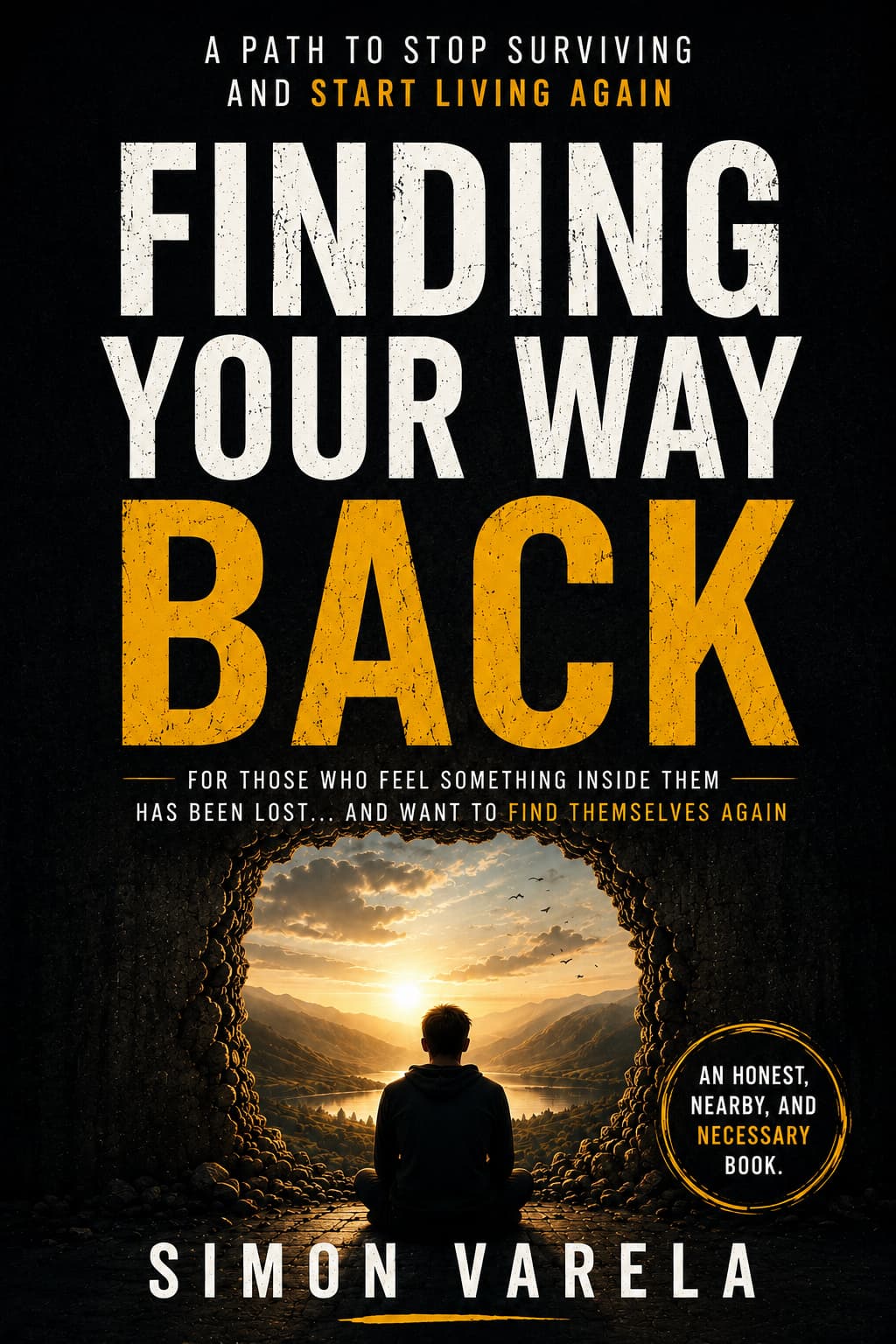
Finding Your Way Back
How to Stop Surviving and Start Living Again
A compassionate and deeply honest guide for anyone who feels disconnected from themselves and wants to begin again.
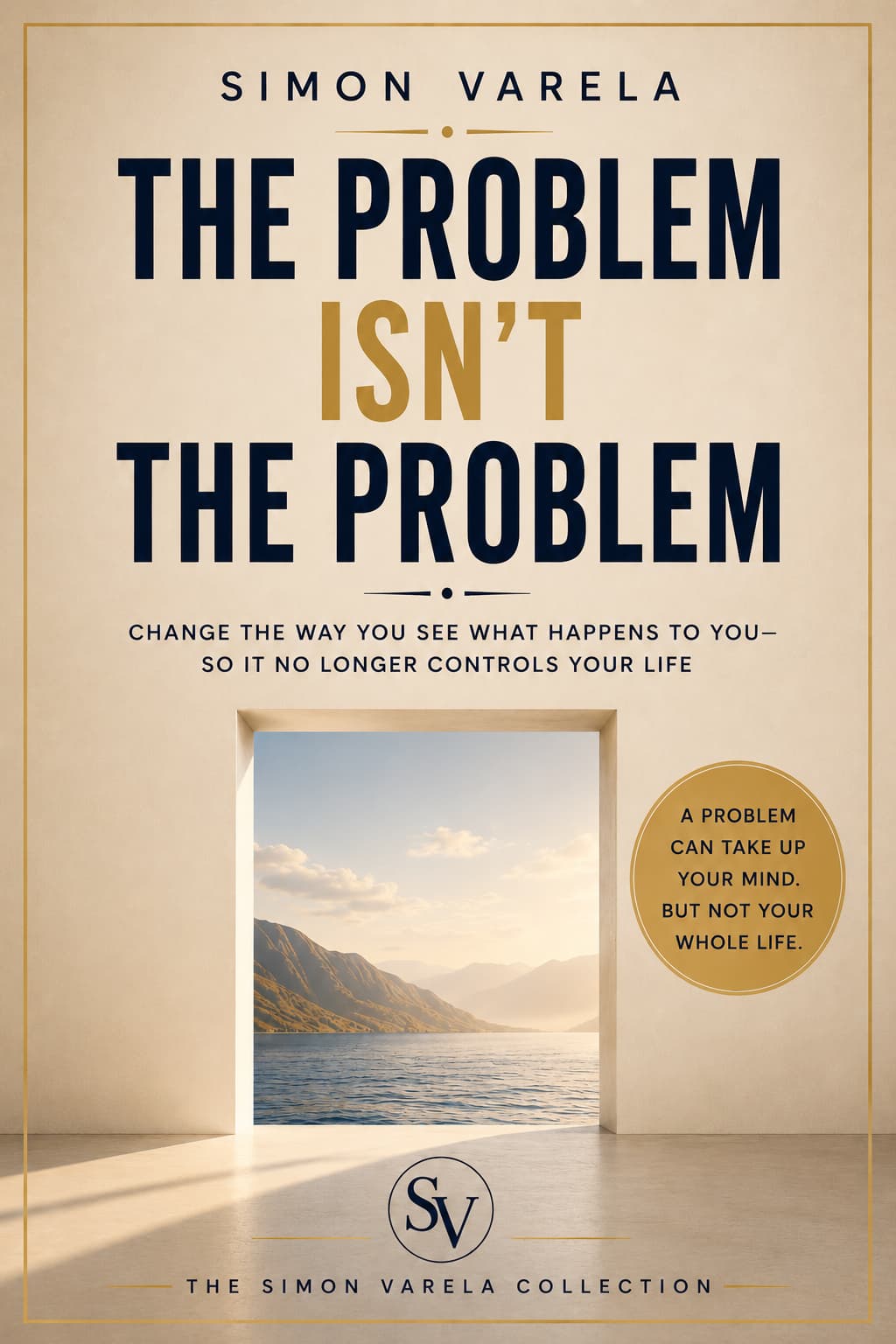
Change the Way You See What Happens to You—So It No Longer Controls Your Life
What if your greatest source of suffering is not what happens to you—but the meaning you give it? A thoughtful guide to changing the mental patterns that turn difficulties into overwhelming burdens.
A problem occupies your mind even when there is nothing you can do about it.
A difficult situation has begun to define your entire life.
Your mind fills uncertainty with the worst possible explanation.
You react before separating what happened from the story you tell about it.
You keep fighting circumstances that cannot be changed.
You want perspective without denying what you feel.
It offers something more valuable: a new way of seeing them. Not to minimize what hurts, but to recognize which part belongs to what happened and which part comes from the meaning your mind keeps giving it.
Stop giving unnecessary power to your problems.
Recognize the thoughts that amplify suffering.
Respond instead of simply reacting.
Develop emotional resilience during difficult times.
Let go of limiting interpretations.
Find clarity even when life feels uncertain.
Build a calmer and more balanced mindset.
“Sometimes the problem isn't the situation itself. Sometimes the problem is the story your mind keeps telling about it.”
“The perspective you choose changes the size of everything.”
“Keep living even while the problem is still there.”

Simon Varela writes about emotional exhaustion, anxiety, personal rebuilding, and the difficult process of returning to a life that feels like your own. His work seeks to accompany those who feel lost, overwhelmed, or disconnected from themselves—without empty formulas or impossible promises.
His English-language collection includes Finding Your Way Back, Quiet the Noise, and The Problem Isn't the Problem.
Learn more ↗It is available as a digital edition for Amazon Kindle.
It is for anyone who feels that a problem, worry, or difficult experience is occupying too much space in their life.
No. It does not ask you to deny what is difficult. It helps you see how interpretation shapes experience and recover a more balanced perspective.
No. You can read it with the Kindle app on a phone, tablet, or computer.
Yes. The Problem Isn't the Problem is its English-language edition.
It contains 10 chapters organized in three parts, with relatable stories, practical reflections, and a guiding question after each chapter.
No. It is a work of reflection and companionship and is not a substitute for professional mental health care.
But you can change the place from which you see it—and reclaim the space it has been occupying in your life.
How to Stop Surviving and Start Living Again
A compassionate and deeply honest guide for anyone who feels disconnected from themselves and wants to begin again.
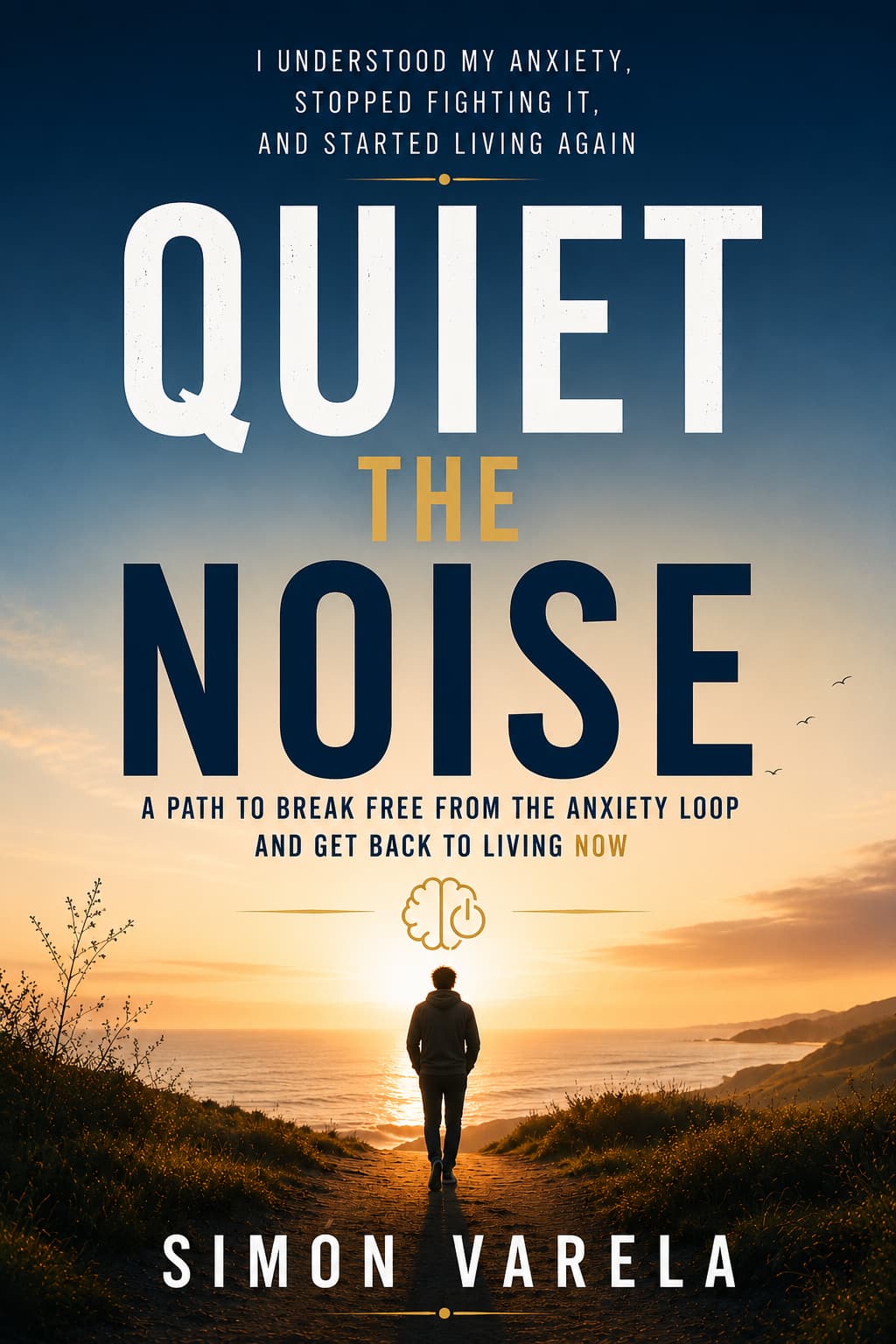
How to Stop Overthinking and Finally Find Peace
A calm, practical, and compassionate approach to understanding why the mind becomes trapped in anxiety—and how to break free without fighting your own thoughts.
Discover the original Spanish-language edition, El problema no siempre es el problema.